the rage in my throat seeks liberation
i wonder if, in her place, i would ever be able to stop screaming. i fear that it would unlock a well of tears, mucus, and rage that would never run dry. i fear i'd scream even after my vocal cords snap. i fear i'd scream into oblivion. i crave it.

mother Audre Lorde has taught us, there is a lot of data in anger. that data is there to help us learn it. anger is teaching us how to be free, how to live dynamic and rich lives, cultivating, embracing, and expressing our self-agency, setting boundaries, and reducing the harm we experience as individuals and collectives. to allow anger to do this, we have to love it and, in loving it, let it show us what it really is. in loving it, it shows us where the hurt is. — Lama Rod Owens
i long to relinquish myself to the rage-filled scream that's nestled itself behind my collarbone after 29 years of living in this world. every time some 'well-intentioned' ally or poorly-intentioned bigot comments on my appearance in the street, my rage perks up one fiendish ear, waiting for the moment that someone says the wrong thing at the wrong time. it wants to be set free.
in Love and Rage: The Path of Liberation Through Anger, Lama Rod Owens (LRO) defines freedom as, "...the space [he] is able to cultivate around the material that [he has] felt trapped by in the past." anger unloved does not leave much space around the material which is why it lingers. it simmers for years, unyielding. in this world of countless injustice, rage finds ample fuel.
i've never considered myself to be a person who experiences a lot of anger. pain, sure. grief, absolutely. but not rage. after reading Lama Rod Owens' book and writing this post, it's clear that's not the case. i experience it regularly. and as much as i want to give into the rage, LRO reminds me that,"...rage is the loss of self and the loss of agency over that anger that in turn impacts our sense of self worth." there is no freedom in that. still, i dream of its fleeting deliciousness.
i associate the demented satisfaction of succumbing to rage with a particular scene in Midsommar. our protagonist, burdened by grief and deeply alone in her partnership, collapses into inconsolable wailing after witnessing unspeakable horrors in a remote Swedish community. women from the village join in, mirroring her grief, pain, loneliness, fear, and rage. the screams crescendo as they synchronize. slowly, our protagonist's body language discloses her dissipating loneliness as her howls persist.
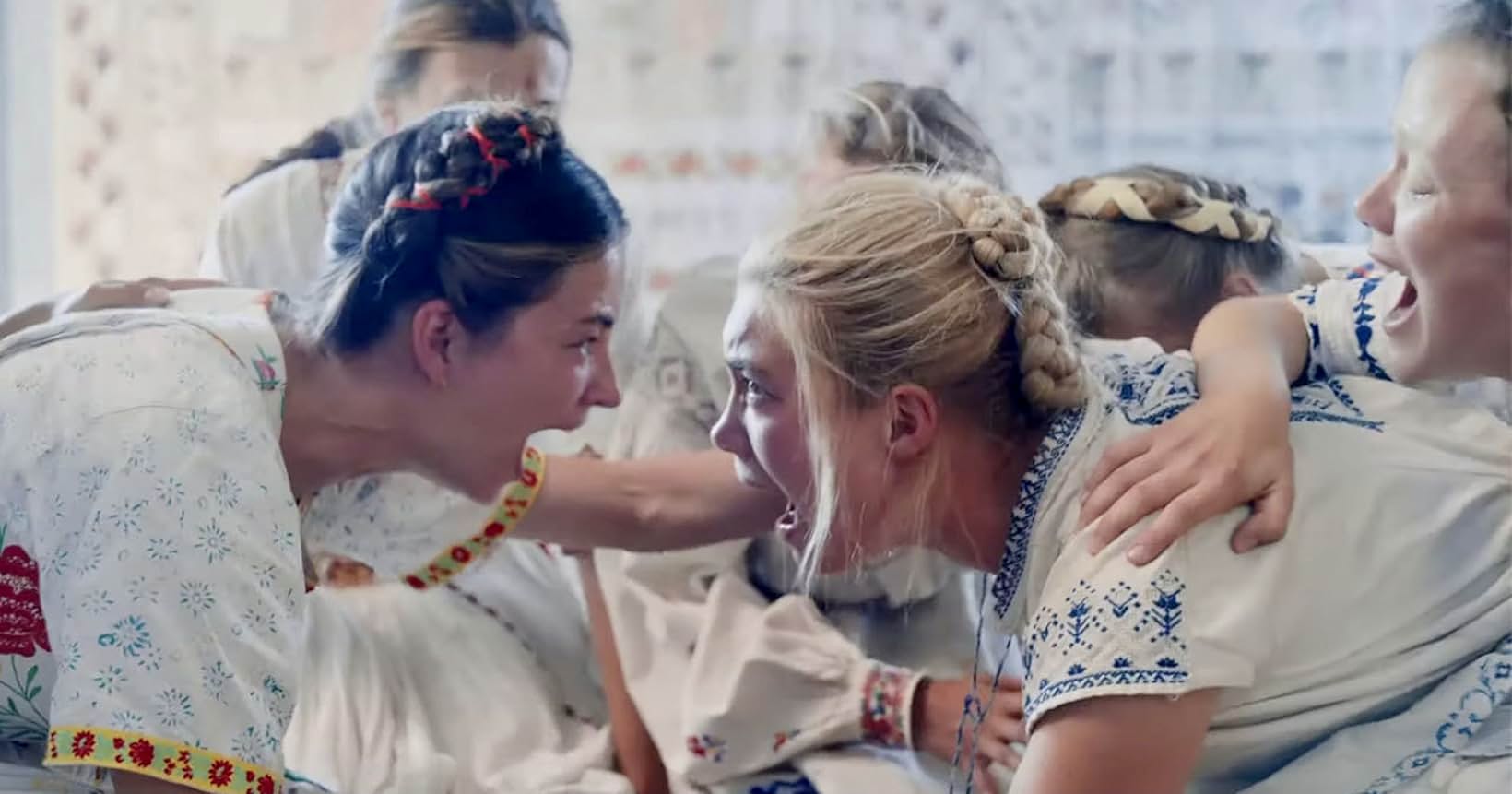
the villagers are so present, so engaged, so attuned to the protagonist's rage and grief. i am deeply envious of it. i long to know what it would feel like to be seen in this way. i wonder if, in her place, i would ever be able to stop screaming. i fear that it would unlock a well of tears, mucus, and rage that would never run dry. i fear i'd scream even after my vocal cords snap. i fear i'd scream into oblivion. i crave it.
if LRO read this, he'd probably tell me that i am the one who needs to see me in this way. i need to be both protagonist and villager, compassionately attuned to my hurt. he'd theoretically also tell me that the earth and my ancestors see my anger in this way, especially my queer ancestors. they know what it's like to be brimming with anger as their loved ones died of HIV in a world deeply uninterested in their survival. he'd probably tell me that i need to cultivate spaciousness around this transhistorical hurt, too.
when i predictably ask what i must do to actually create space, he'd give me the answer i already knew but didn't want to hear:
Anger is full of wisdom; and with the appropriate practice, anger can actually transform into wisdom, and that wisdom is deeply liberating. But was with anything else, we have to practice. There is no liberation without practice. — Lama Rod Owens
Buddhism has a clear structure of practice and LRO offers a plethora of practices to address the facets of anger. i'm hesitant to admit that i engage in a fair share of these practices mostly because i'm quite protective of my spirituality. the reason i do mention them is because i recognize that, while i engage in these practices, not everyone does. i strongly believe that art-making, as practice, is liberatory for both artist and audience. art can be the means by which we cultivate spaciousness because it encourages us to reflect on what emotions arise.
around the time i worked through a substantial chunk of Love and Rage, i was asked to photograph Angel mid-swing//it boils from within, created by Valentina Baché.
i'd never photographed a dance piece before. as dictated by my general disposition, i spent the weeks leading up to this performance mulling over what the best camera settings would be. photography conventions nudged towards a camera-mounted flash; it guaranteed a crispness that felt important.
at the top of the first tech rehearsal, i dutifully took photos with my flash, casting a harsh light into the black box of the triskelion arts center. as i flicked through the previews, my images felt indescribably off. sure, the dancers were illuminated and the viewer could easily discern the movement which, by all standards, meant something had been done right, even done well.
since i couldn't appease the off-ness i felt with this rationale i set down my camera and watched... watched the artists conjure up a haunting world of ancient beings consumed with joy, curiosity, debauchery, and violence as they explored the confines of their dim cavern.
halfway through this piece, these ancient beings conjure a formidable storm with enough force to crack open the cave's ceiling. they encircle a leaf-blower while strobe lights infrequently freeze their movement. the audience is given very little visual information; instead, we're subjected to a cacophony of shouts, barks, stomps, grunts, and howls. all i wanted was to abandon my seat and join them, to howl and stomp and bark until my legs give out.
valentina's piece is intense. more than that, its fury entranced and enticed me. it offered me its hand and tenderly said, acknowledge your rage. their art offered a container for rage, a sacred space to be in relationship with it. this is what needed to be translated through image — the frenzy, the rage, and the fervor that i wished to unleash in a container such as this. my images needed to be the tender gaze that sat in awe of the wisdom and liberation this rage offered. the flash was our bedroom light, flicked on to assuage us that the rage we are too scared to confront simply isn't there.
unfortunately it is there, regardless of the stories we tell ourselves. we can't keep turning on that light whenever we feel it creeping in. valentina's work saw my rage like the villagers saw the protagonist's in Midsommar. i saw theirs in return. when i forwent the flash, my camera let me scream with them. i hope these images scream into oblivion on my behalf. i pray they're honest about my rage in ways i can't yet be.
i now know the rage in my throat can't leave. how else will i tell the truth about the horrors we witness? how else will i tell the truth about how we suffer at the hands of colonial system? whenever it rises, i can rejoin those ancient beings in their cave.
luckily, caves offer ample space to sift through it all.
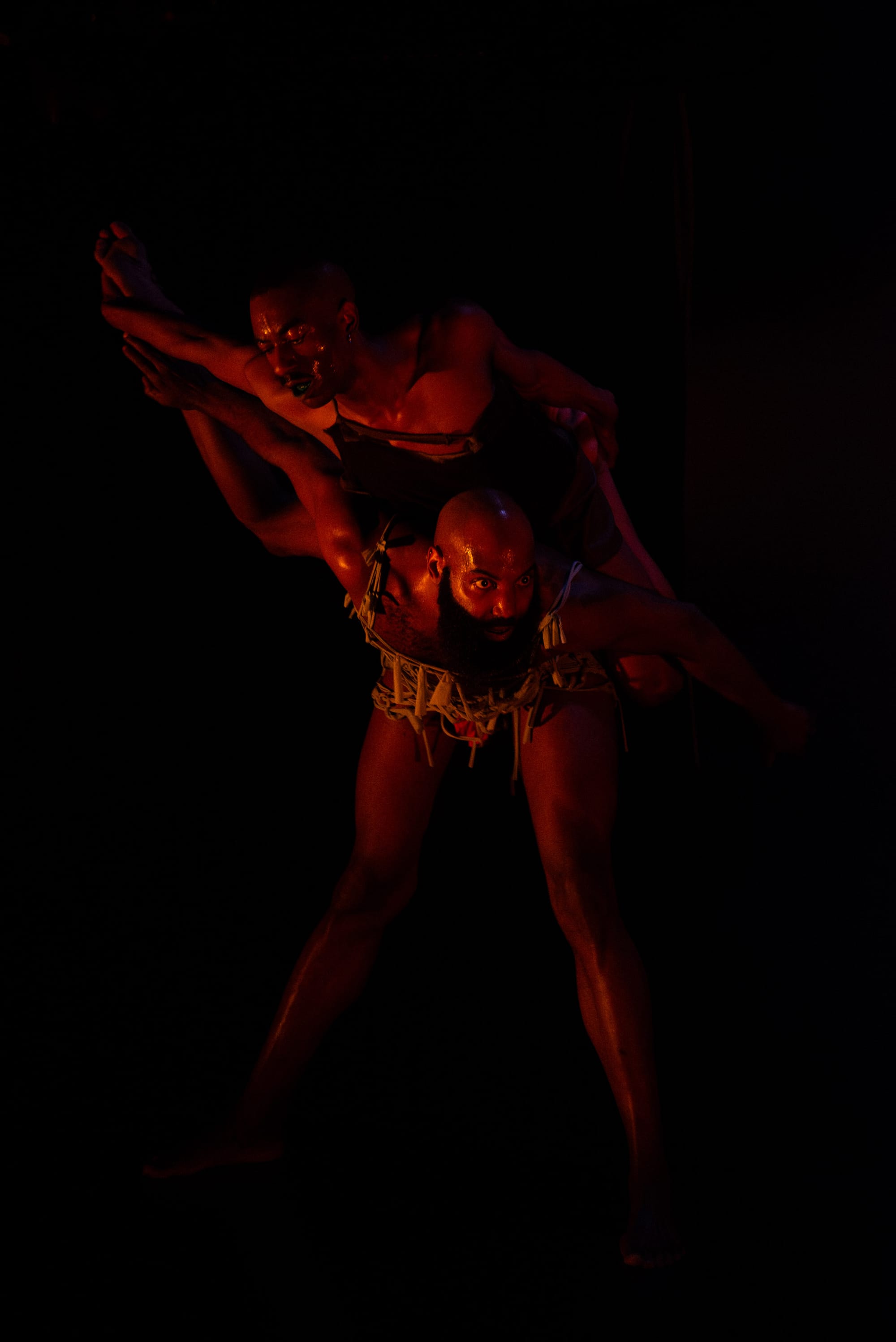
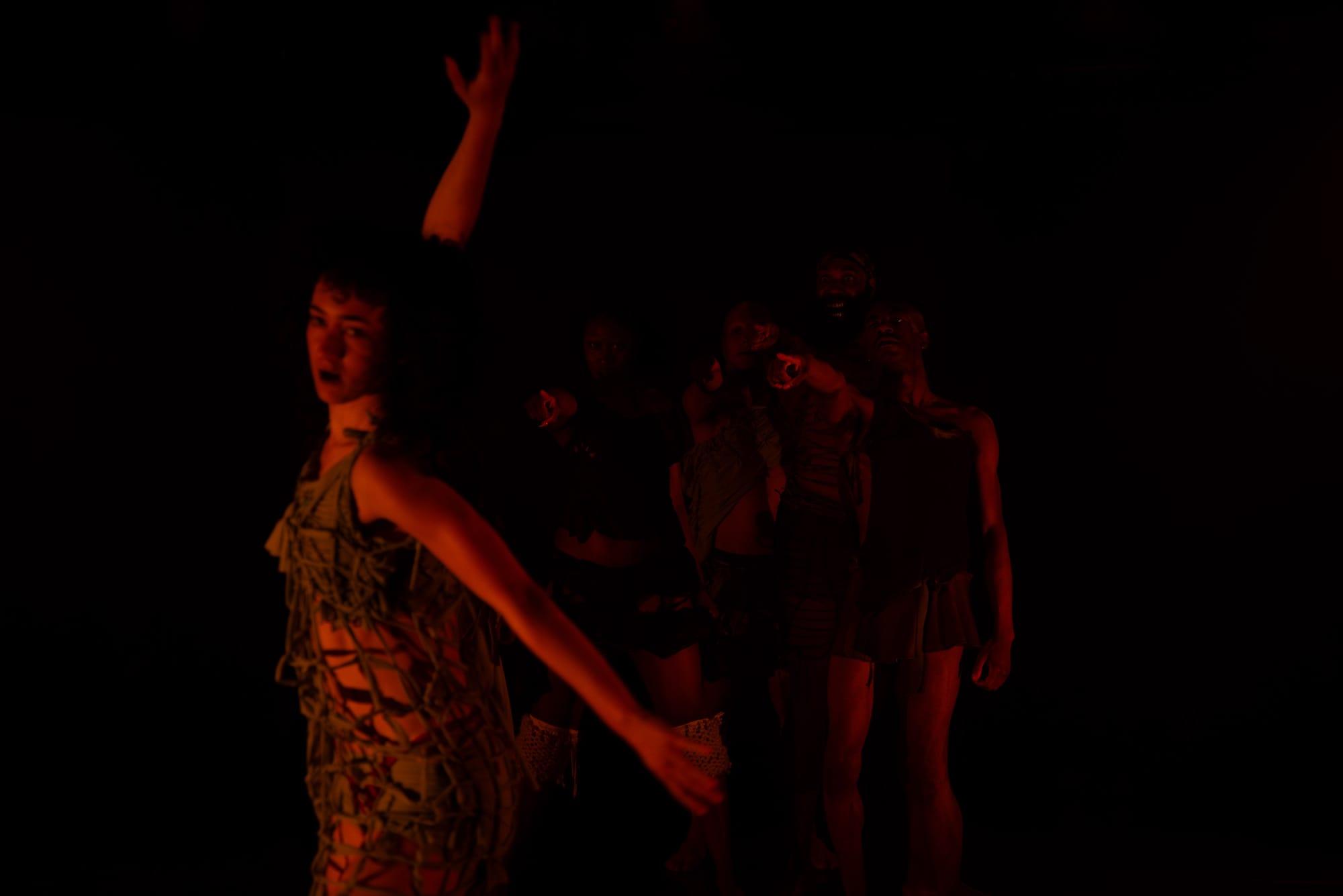
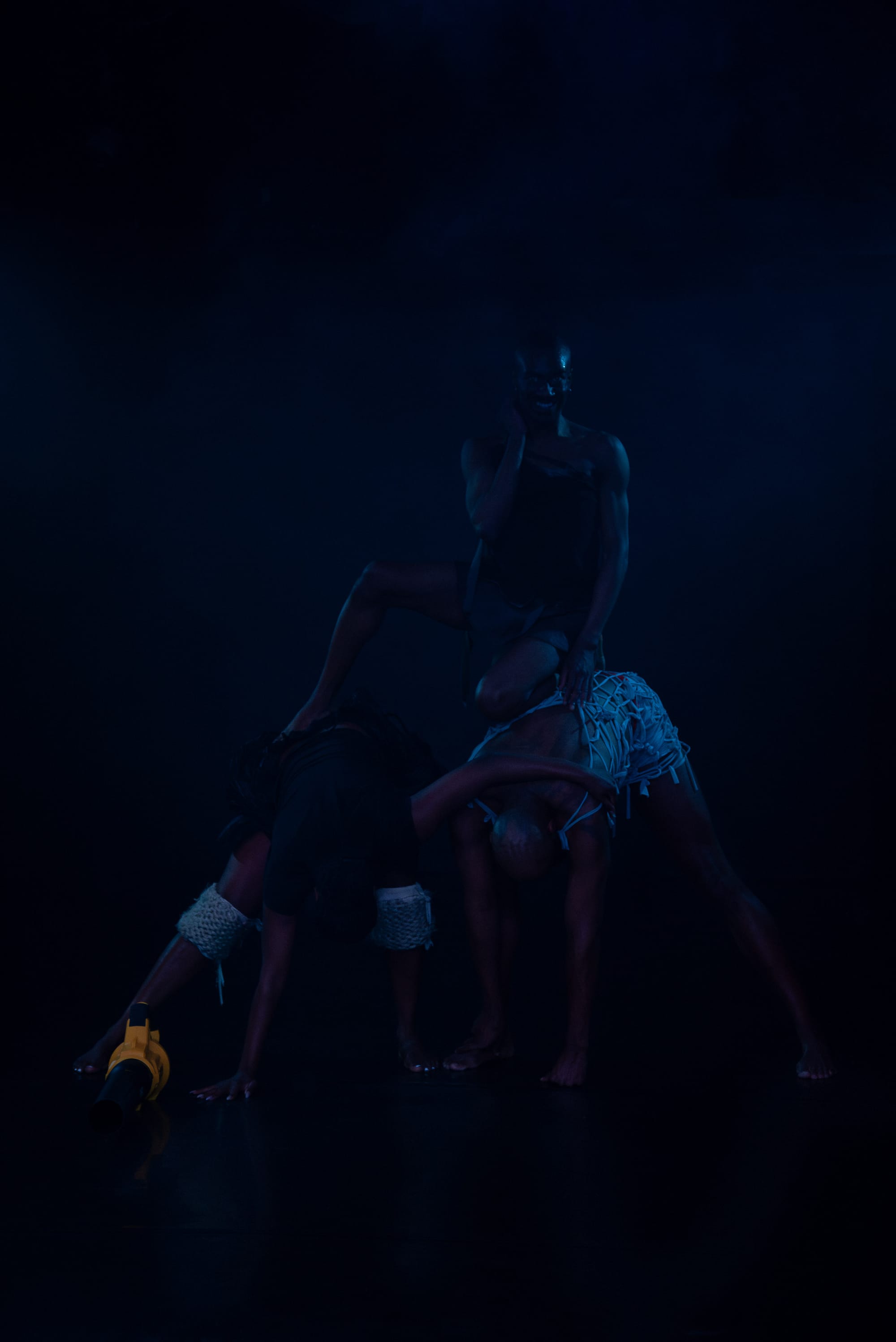
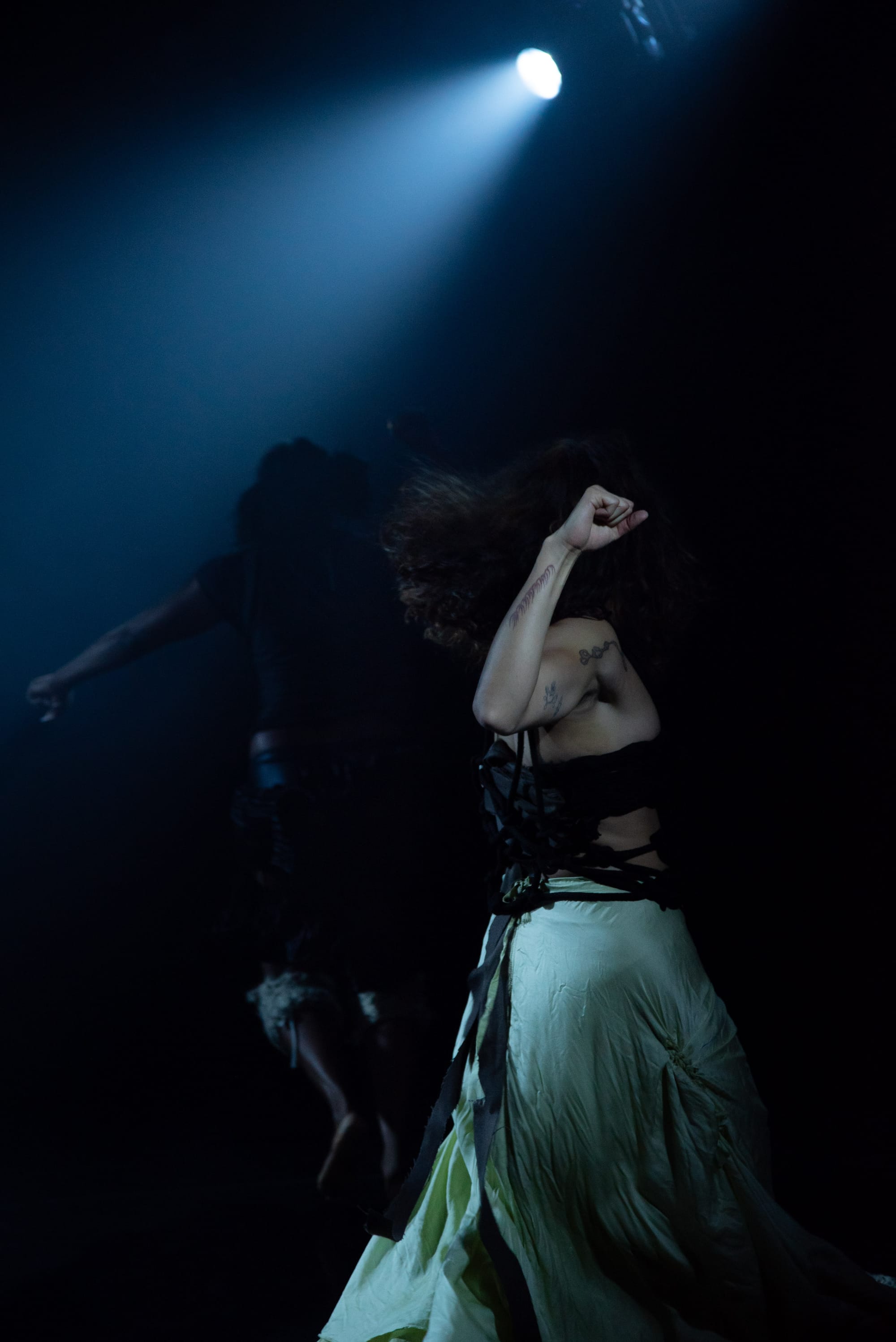
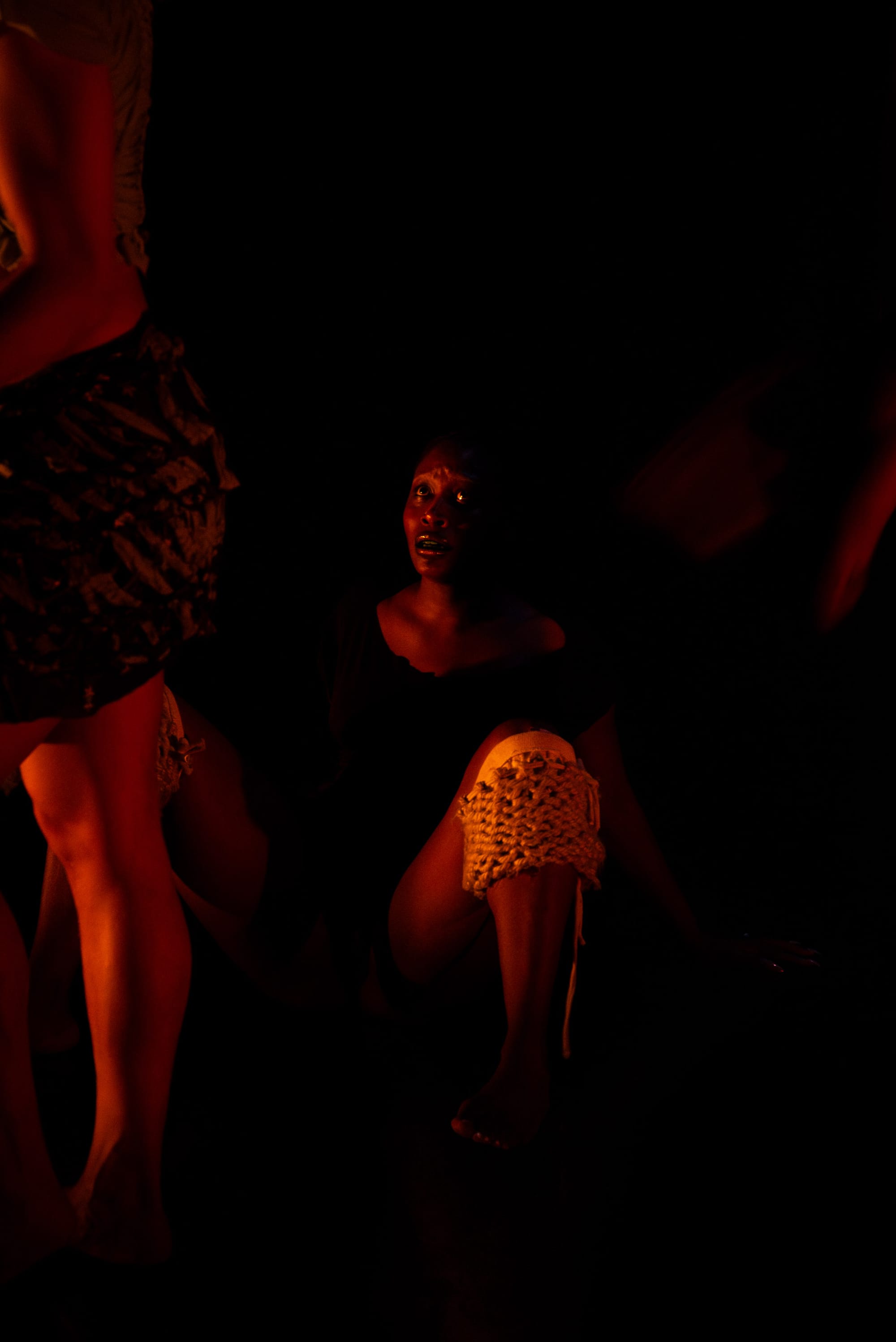
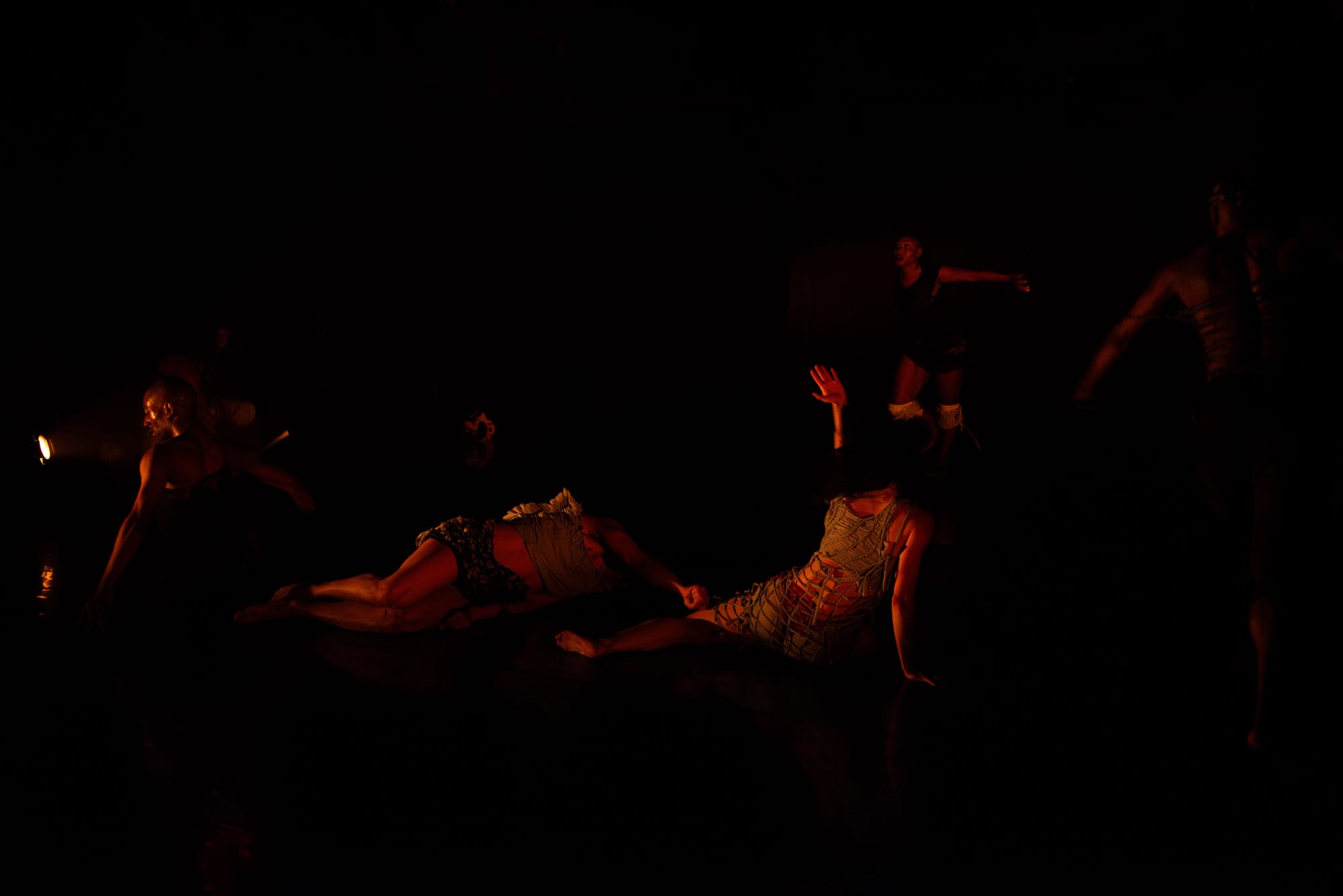
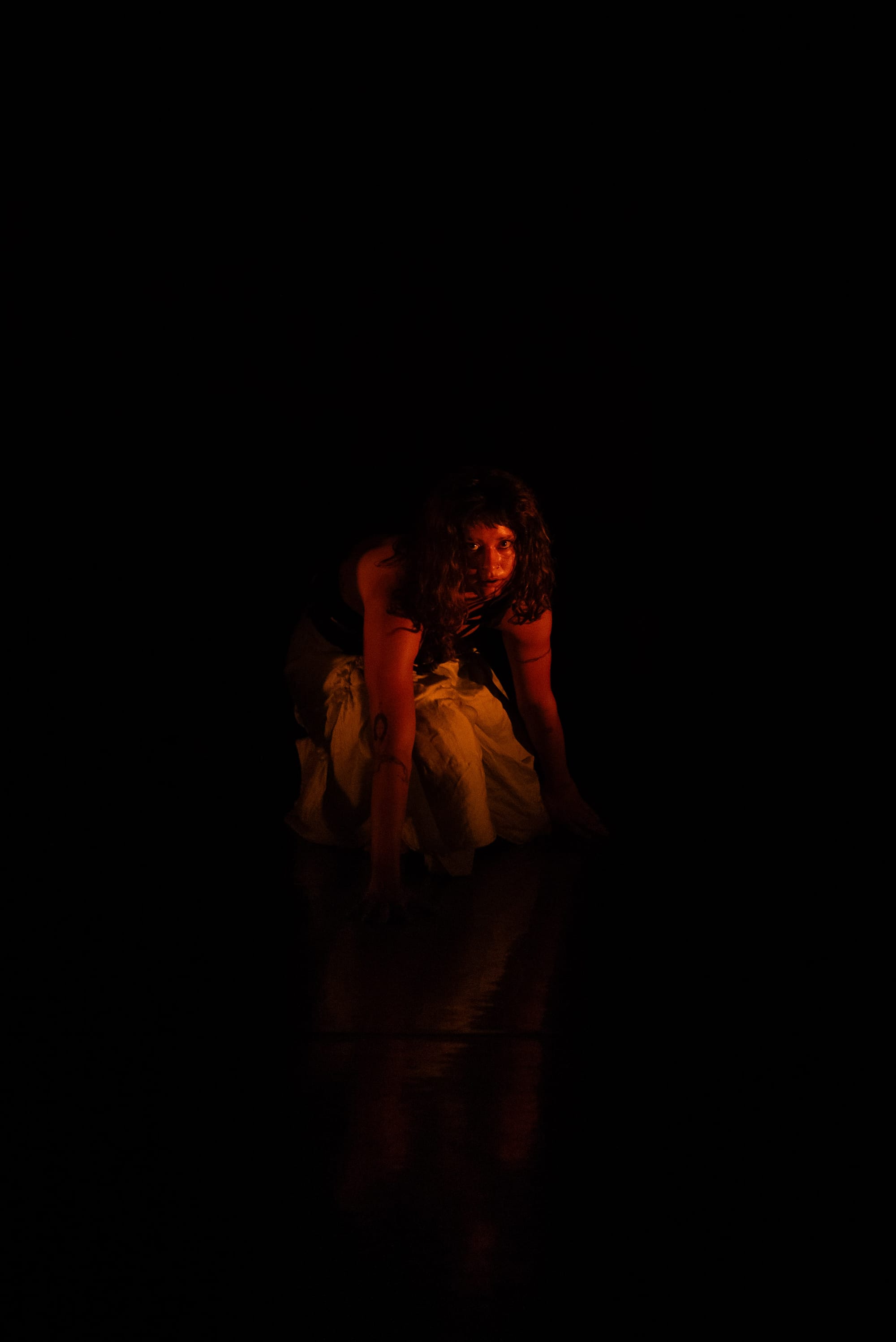
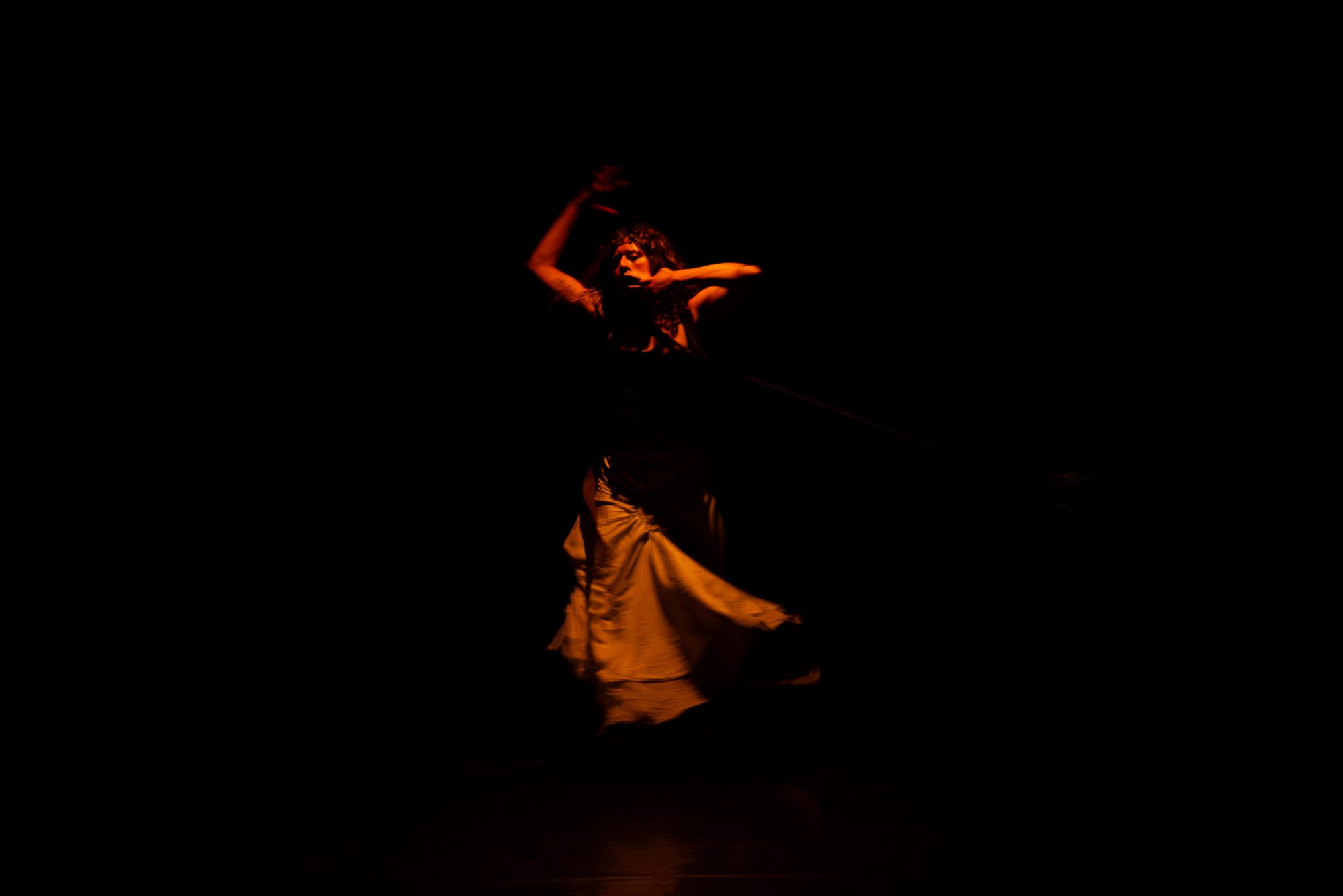
awoken from deep slumber, 6 ancient beings attune to mortal music. ecstasy falls to fury. howling, screaming, they summon a hurricane that cracks open the cave’s ceiling. bathed in light, soothed into trance, a body becomes a weapon spinning for eternity.
music is so important to me so i want to make a habit of including a song that corresponds with the theme of the post. this one is perfect:
skip to 3:44 for mother's shriek!
thank you for taking the time to read the latest installment of DREAMBUSTING!
if you enjoyed it, please consider becoming a paid member of this newsletter. your financial contribution will help me make more personal work and navigate the challenging world of being an artist. I'm grateful for your support.
xx Blue